
The Rise of Hyper-Volumetric Attacks
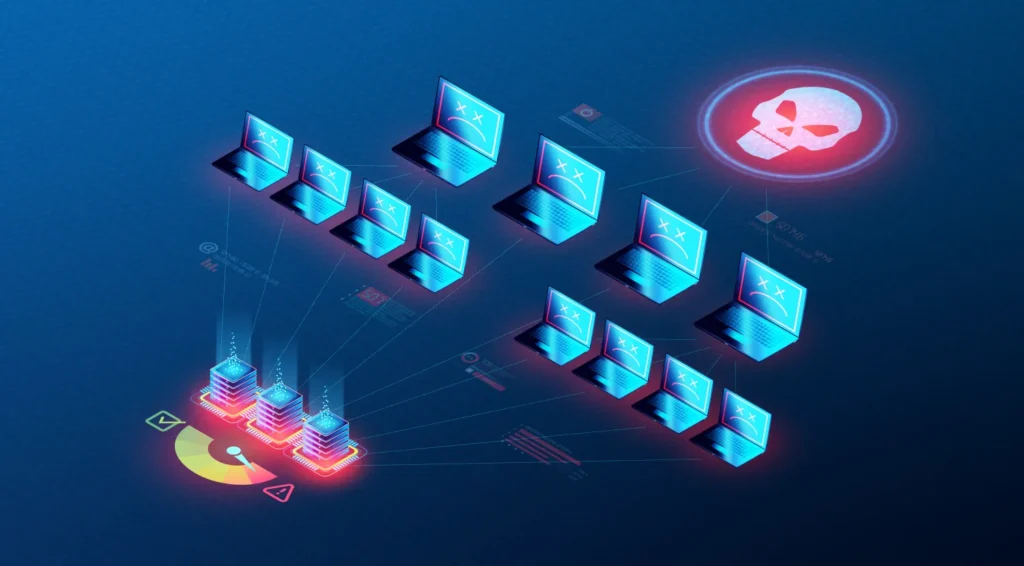
In recent months, the cybersecurity landscape has witnessed a dramatic shift. Attackers are now leveraging massive botnets to launch hyper-volumetric strikes. These DDoS attacks have shattered previous records, with some peaking at an astonishing 31.4 Tbps. The sheer volume of traffic generated is enough to overwhelm even the most robust legacy infrastructures.
This escalation is primarily driven by the exploitation of poorly secured IoT devices. As the number of connected gadgets grows, so does the potential arsenal for cybercriminals, making robust mitigation strategies more critical than ever.


AI-Powered Threats

Application Layer

Rapid Execution
High-Profile Targets and Consequences
Recent incidents have demonstrated that no organization is immune. Major financial institutions, postal services, and government portals have experienced severe disruptions. These outages not only cause immediate financial damage but also erode public trust. State-sponsored groups and hacktivists continue to utilize these methods to make political statements and disrupt national services.
Furthermore, the collateral damage often affects third-party vendors and supply chains. When a major ISP or cloud provider is hit, the ripple effects can take thousands of smaller businesses offline simultaneously.

The Necessity of Advanced Mitigation
Traditional on-premise firewalls are no longer sufficient to handle the bandwidth of modern threats. Organizations must transition to cloud-based protection networks that offer massive global capacity and automated behavioral analysis. Solutions like KoDDoS provide specialized high-risk hosting and advanced mitigation to absorb these massive traffic spikes seamlessly.
Proactive monitoring and the implementation of Zero Trust architectures are becoming the standard. By verifying every request and maintaining continuous traffic profiling, enterprises can identify and drop malicious packets before they reach the core infrastructure.
The Role of Global Collaboration
Combating this global threat requires international cooperation. Law enforcement agencies worldwide are increasingly coordinating efforts to take down the command and control servers of major botnets. While these takedowns provide temporary relief, the decentralized nature of cybercrime means new networks quickly emerge to fill the void.
Sharing threat intelligence among corporations, cybersecurity firms, and governments is essential. By pooling data on attack vectors and emerging vulnerabilities, the global community can develop more resilient defensive frameworks to withstand the next wave of digital assaults.


Looking Ahead: The Future of DDoS
As we move further into 2026, the cat-and-mouse game between attackers and defenders will only accelerate. Quantum computing and advanced machine learning algorithms will eventually play a role on both sides of the battlefield. It is imperative that businesses of all sizes recognize DDoS mitigation not as an optional add-on, but as a fundamental pillar of their digital resilience.
Staying informed about the latest attack trends and continuously updating security protocols is the only way to ensure uninterrupted service delivery in an increasingly volatile digital ecosystem.
Understanding Network Vulnerabilities
Ensuring that your architecture can scale dynamically during an attack is vital. Building redundancies into your network and avoiding single points of failure can make the difference between a minor hiccup and a full-scale outage. Always be prepared.
Secure Your Infrastructure Today
contact@taximsa.com
ADDRESS
857 Moonlight Drive
Pleasantville (Atlantic), NJ 08232
PHONE NUMBER
609-594-4526